


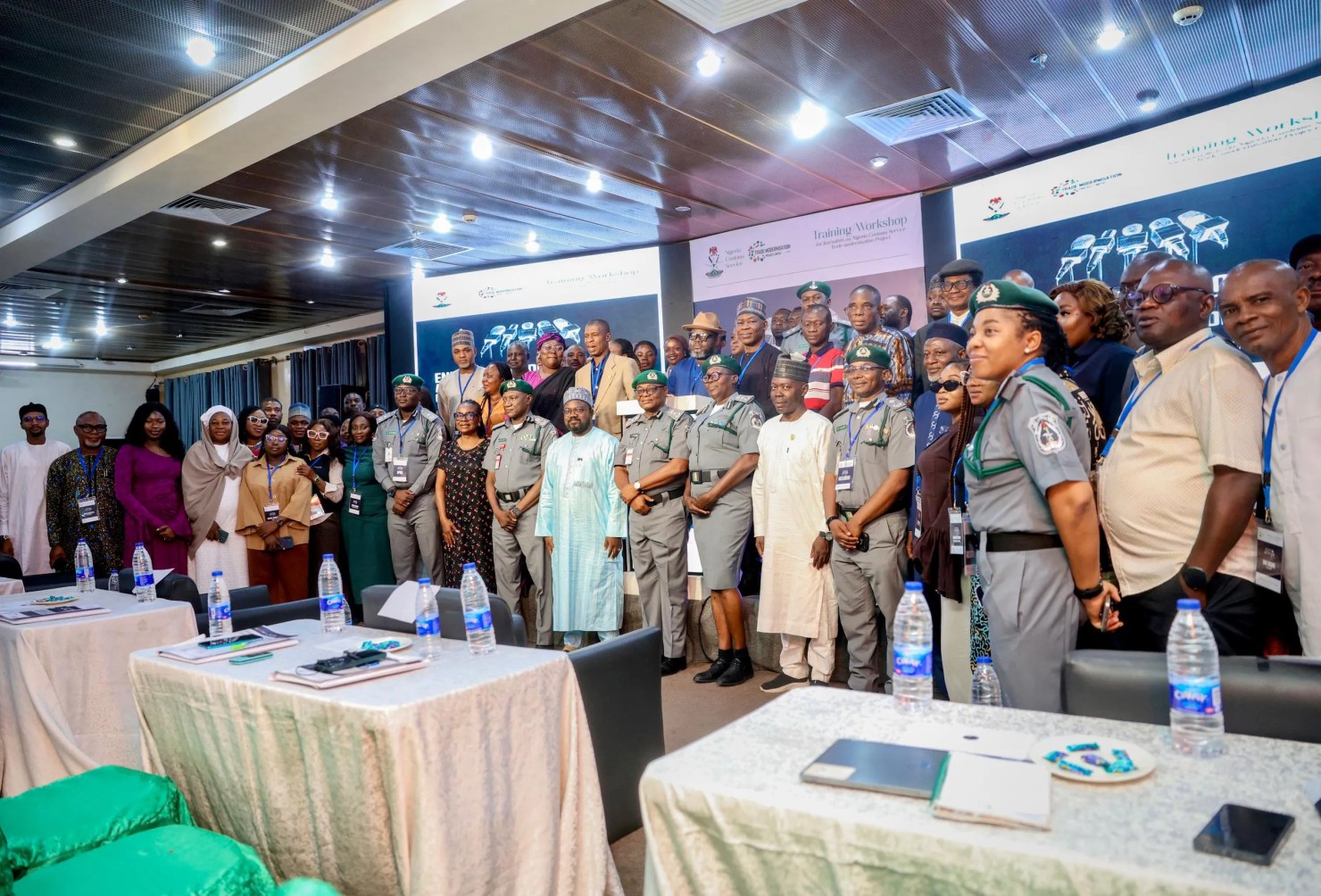
The Nigeria Customs Service has opened a four-day workshop for journalists in Abuja to deepen public understanding of its ongoing Trade Modernisation Project and broader institutional reforms.
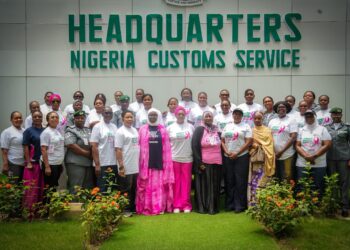
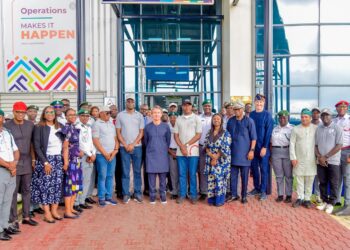
The training, which began on Wednesday 6th ended on the 9th of May 2026, brought together journalists from different media organisations across Nigeria to learn about customs automation, digital trade systems and inspection technologies.
Officials said the initiative was part of efforts to improve transparency and ensure accurate reporting on reforms expected to reshape Nigeria’s trade and border management system.
According to Timi Bomodi who represented the Comptroller General of Customs, the media play a critical role in helping the public understand the scale and purpose of the reforms.
“A lot is happening within the Service, and sometimes it may be difficult for stakeholders to keep pace with the speed of these developments. That is why engagements like this have become necessary,” Bomodi said.
The Trade Modernisation Project is one of the largest digital reform programmes currently underway within the Customs Service.
Bomodi further explained that automation and integrated digital platforms would help the agency improve efficiency while reducing opportunities for corruption and delays.
“The Trade Modernisation Project sits at the centre of our transformation journey. Through digital platforms, automation of procedures, and systems integration, we are building a Customs administration that is efficient, transparent, and globally competitive,” he said.
Bomodi described journalists as a bridge between institutions and citizens, saying accurate reporting would help businesses and the wider public understand the benefits of the changes.
“When change happens, stakeholders must understand not just what is changing, but why it is changing. That is where the media becomes indispensable,” he added.
According to Customs officials, the initiative was aimed at reducing bottlenecks at ports, simplifying trade procedures and creating a more predictable environment for businesses importing and exporting goods.
Trade experts have long argued that delays at Nigerian ports increase business costs and discourage investment. Analysts say improved customs processing could help lower logistics expenses and support regional trade under the African Continental Free Trade Area (AfCFTA).
Industry stakeholders also believe digital customs systems could improve revenue collection and reduce cargo congestion at major ports.
Customs officials repeatedly stressed that public understanding would determine the success of the reforms.
The National Public Relations Officer of Customs, Abdullahi Maiwada, said the workshop was designed to give journalists practical knowledge about the project and the wider transformation agenda.
“In this era of global trade and technological advancement, it has become necessary to carry critical stakeholders, particularly the media, along in this journey of transformation,” Maiwada said.
He added that successful customs reform depends not only on technology and infrastructure but also on informed public communication.
Participants at the workshop received technical briefings on several customs technologies and operational systems.
Among the presentations was a session on the Integrated Non-Intrusive Inspection System delivered by Nafi’u Salihu.
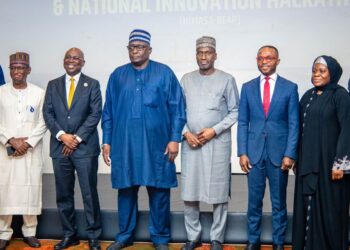
Other resource persons included Bukola Omoniyi and senior officers involved in ICT and customs modernisation. Also present at the opening ceremony were Oluyomi Adebakin and Muhammad Shu’aibu.
Business groups have consistently called for reforms that would shorten cargo processing times and improve predictability at Nigerian ports.
If successfully implemented, analysts say the modernisation programme could improve Nigeria’s ease of doing business ranking, strengthen trade competitiveness and support economic growth.
Importers and exporters are also expected to benefit from faster document processing, reduced manual intervention and improved transparency in customs
Officials say further collaborations with the media and private sector stakeholders are likely to occur, as implementation of the reforms continues nationwide.